Newsletter Subscribe
Enter your email address below and subscribe to our newsletter
Enter your email address below and subscribe to our newsletter


Elevate Your Space, Everyday.
Keep your home guest-ready with these 5 daily tidying habits. Small actions that make a huge difference everyday.
The coffee mug was still warm in your hand when you noticed it—the clutter had crept back. Again. Shoes by the door, mail spilling off the console, yesterday’s laundry draped over the armchair like a forgotten ghost. You sighed. But what if your home could feel calm, curated, and camera-ready—not just on weekends, but every single day?
Most of us think we’re saving time by setting things down “just for now.” That unopened envelope? I’ll deal with it later. Those socks on the floor? They’ll go in the hamper when I pass by again. But that “again” rarely comes. Instead, items pile up in limbo—half-handled, never resolved. The brain registers this as unfinished business. And unfinished business weighs on you, even when you’re not looking at it.
Touch it once. Deal with it fully. Open the mail and either act, file, or recycle—right then. Rinse the dish and put it in the dishwasher (or wash it if you’re like me and run small loads). Pick up the clothes and drop them straight into the laundry basket—no pit stops on chairs or floors. This isn’t about speed. It’s about closure. One decision. One action. Done.
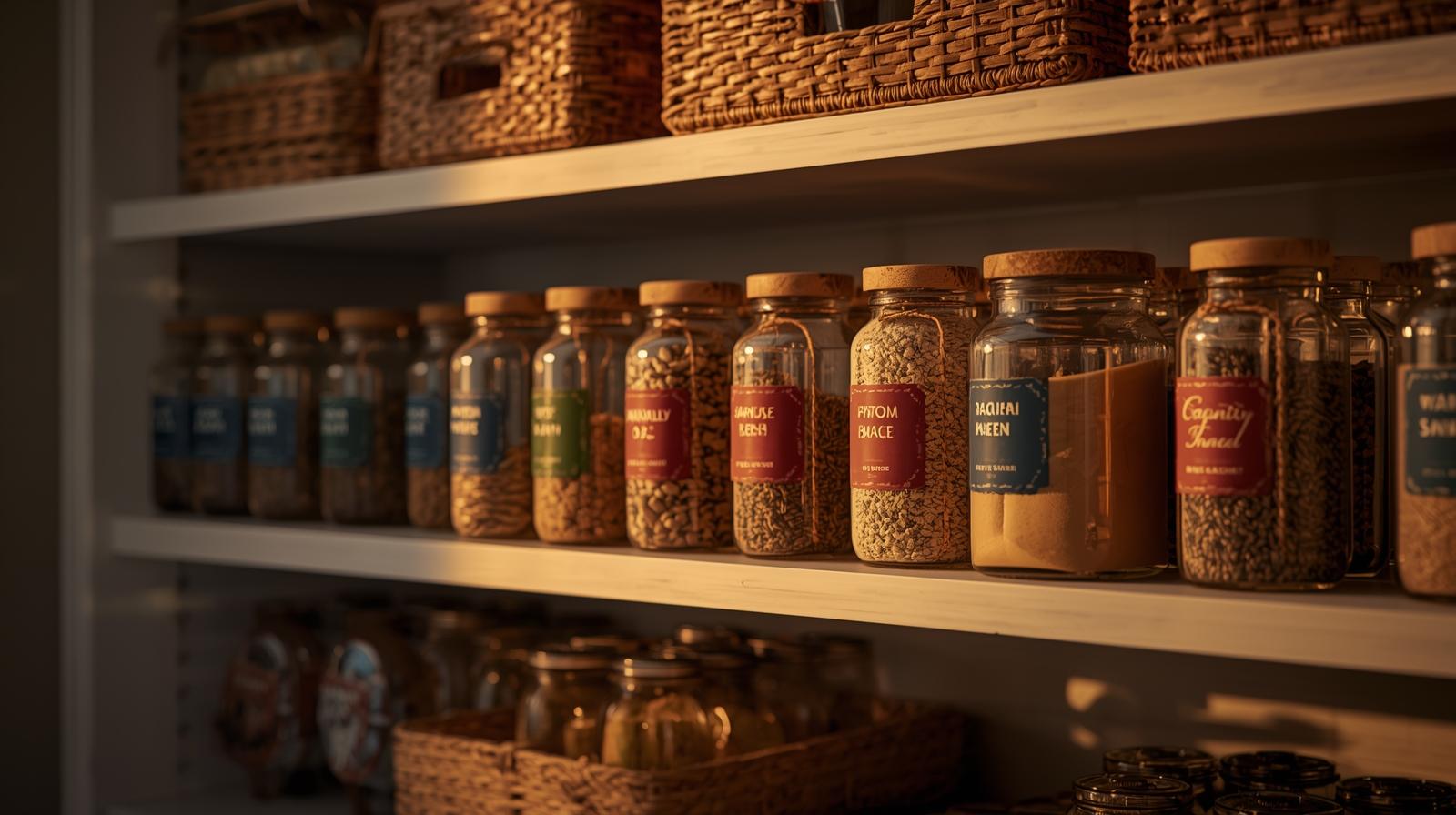
I keep a smooth, matte-finish bamboo jar on my entry console. Keys go in. Sunglasses. The receipt from the grocery run. Anything that lands in my hands during the day has a soft, quiet place to rest—no scattering, no searching later. Bamboo feels substantial but light. Cool to the touch in summer, warm in winter. And because it’s beautiful (not just functional), I actually use it. Every. Single. Day.
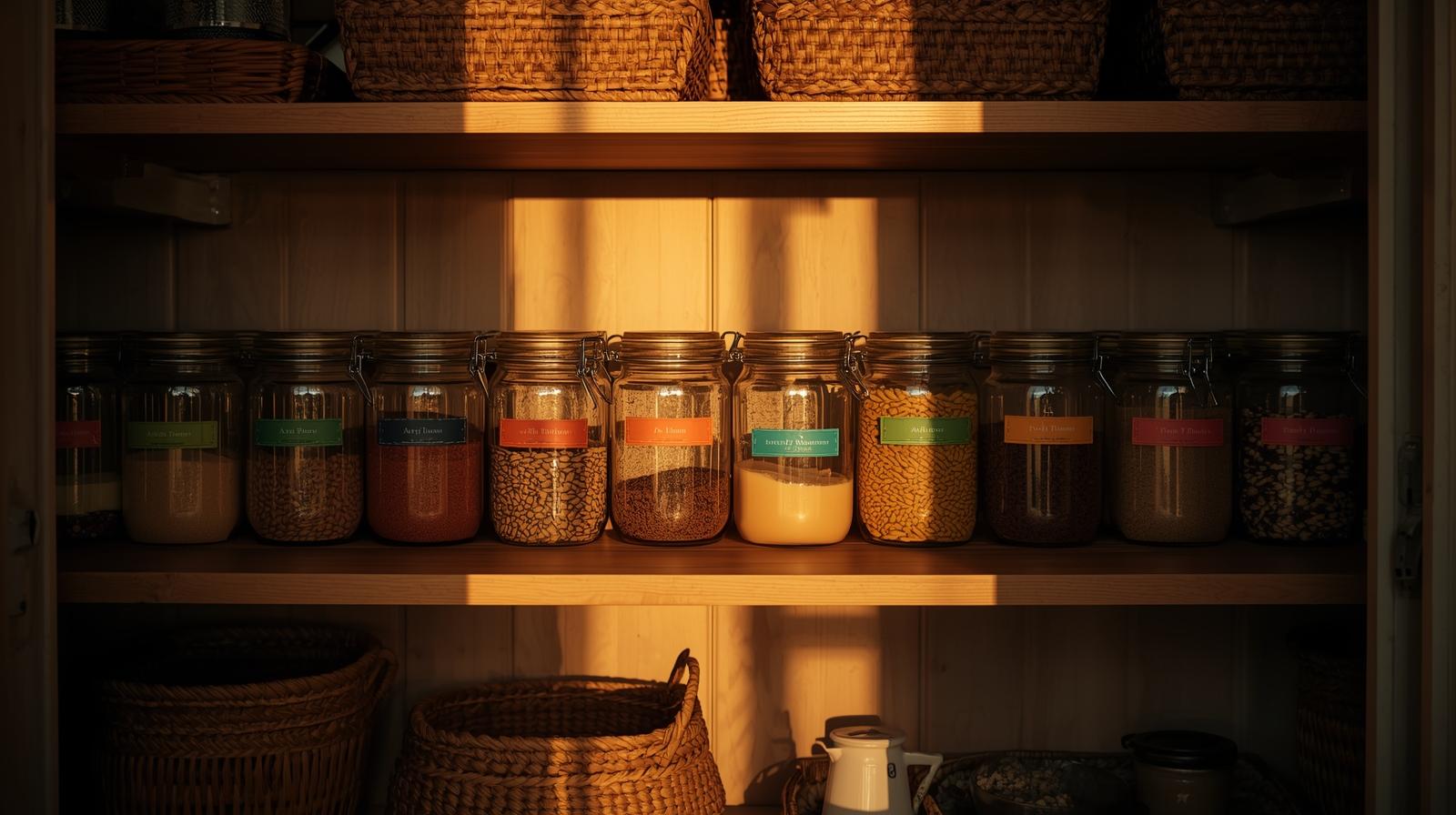
Mornings are for launching, not cleaning up. Your energy is forward-facing—out the door, into the world. Evenings, though? That’s when you return. When you need softness. A reset before sleep. Tidying at sunset aligns with your natural rhythm: winding down, not revving up. Plus, waking to a calm space changes everything. (I tried mornings for years. Failed every time.)
Set a timer. Walk through your main living zones—kitchen, living room, entry. Do only what takes under 10 seconds: hang the coat, wipe the counter, stack the magazines. Skip deep cleaning. This isn’t about scrubbing—it’s about restoring order. Focus on surfaces people see first. The coffee table. The kitchen island. The floor by the couch. Seven minutes is enough to erase the day’s visual noise.
I brew a cup of chamomile as my timer starts. The steam curls upward while I tuck in chairs and fluff couch pillows. The ritual frames the task—not as a chore, but as part of my transition into rest. Sometimes I play a single piano track on low volume. The combination signals to my nervous system: the day is done. The space is settled. You can relax now.
Your entryway needs three clear zones. Drop: where shoes, bags, and coats land immediately. Sort: a narrow shelf or tray for items needing attention (mail, permission slips, library books). Store: closed storage for seasonal or infrequent items (umbrellas, dog leashes, spare keys). Without these zones, everything piles into one chaotic heap.
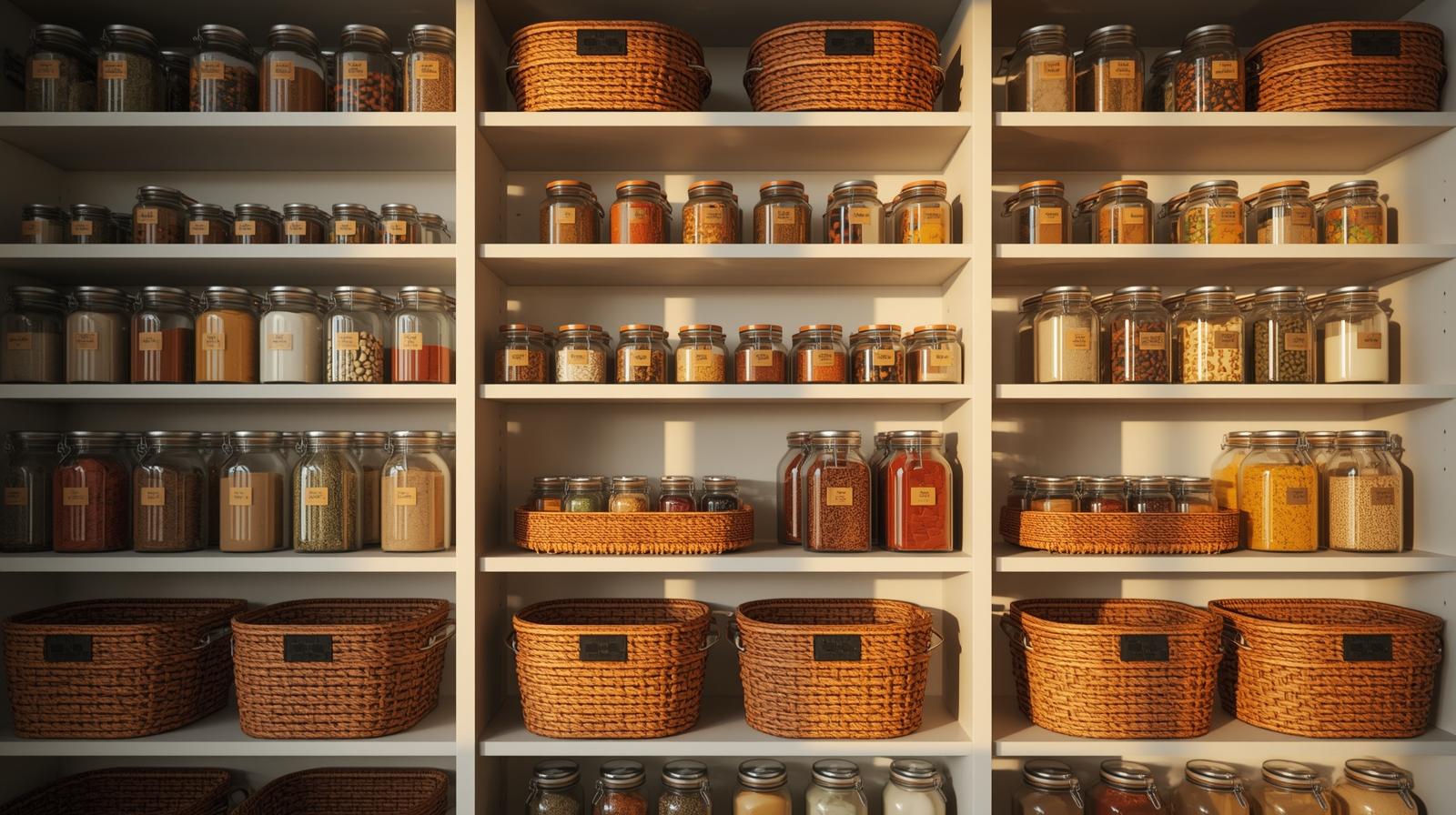
If you have kids, low hooks and open bins work better than closed cabinets. If you bike to work, a wall-mounted rack keeps muddy tires off the floor. My anchor is a slim teak bench with a woven seagrass basket underneath. The wood has a honeyed grain that softens in morning light. The basket hides scarves and gloves but breathes—no musty smells. Choose pieces that fit how you actually live, not how you wish you lived.
For more on creating a serene and functional entry point, explore our complete guide to entryway organization.
Leaving a task “mostly done” creates mental static. You used the scissors—put them back in the drawer. You measured flour—wipe the counter and return the bag. You charged your phone—unplug the cable and coil it neatly. Closing the loop means returning an item to its true home, not just off the surface. It’s the difference between order and illusion.
Charging cables dangling from outlets. Recipe ingredients left on the counter. Snack bags folded but not clipped. These are tiny fractures in your system. Each one whispers, “Not finished.” Pick one category per day to close fully. Tuesday: tech cords. Wednesday: pantry items. Thursday: craft supplies. Small acts, consistently done, prevent avalanche moments.
“If it’s shut, it’s done.”
A closed drawer. A lidded container. A chair pushed in. These are silent affirmations that a space is at rest. I use glass jars with bamboo lids for cotton balls and Q-tips—when the lid is on, I know it’s complete. No guessing. No lingering doubt. Just calm certainty.
Saying “I need to tidy the living room” is paralyzing. Where do you start? The bookshelf? The side table? The floor? Instead, choose one micro-zone: the surface of your nightstand. The top of the dresser. The corner shelf by the window. One square foot. That’s manageable. That’s doable in 90 seconds.
Notice where you feel irritation or hesitation. That spot by the door where you trip over dog leashes? That drawer you yank open because it’s overstuffed? Those are friction points. They’re your daily micro-zone targets. Address one per day. Not to “fix” your home—but to remove one small source of daily stress.
A single bamboo jar on a bathroom counter can hold bobby pins, hair ties, and tweezers—items that otherwise scatter like confetti. In the kitchen, a shallow bamboo tray corrals olive oil, vinegar, and pepper grinder. The material matters. Bamboo doesn’t chip like ceramic, nor does it feel cold like metal. It ages with grace, developing a soft patina that tells a story of use, not waste.
Daily habits aren’t meant to eliminate weekend cleaning—they make it meaningful. When surfaces are clear and items are in place, your Saturday can focus on mopping, dusting, or washing windows—not frantic scrambling to find the vacuum under a pile of coats. The handoff is seamless: weekday order creates space for weekend care.
Use your weekday clarity to supercharge your weekend cleaning routine—less scrubbing, more savoring.
If the same spot fills up again and again—despite your best habits—it’s not a tidying problem. It’s a volume problem. Too much stuff for the space. That’s your cue to declutter. Ask: Do I use this weekly? Does it belong here? If not, it’s time to rehome or release.
If you notice recurring clutter hotspots, it may be time to revisit fundamentals—start with our decluttering checklist for beginners.
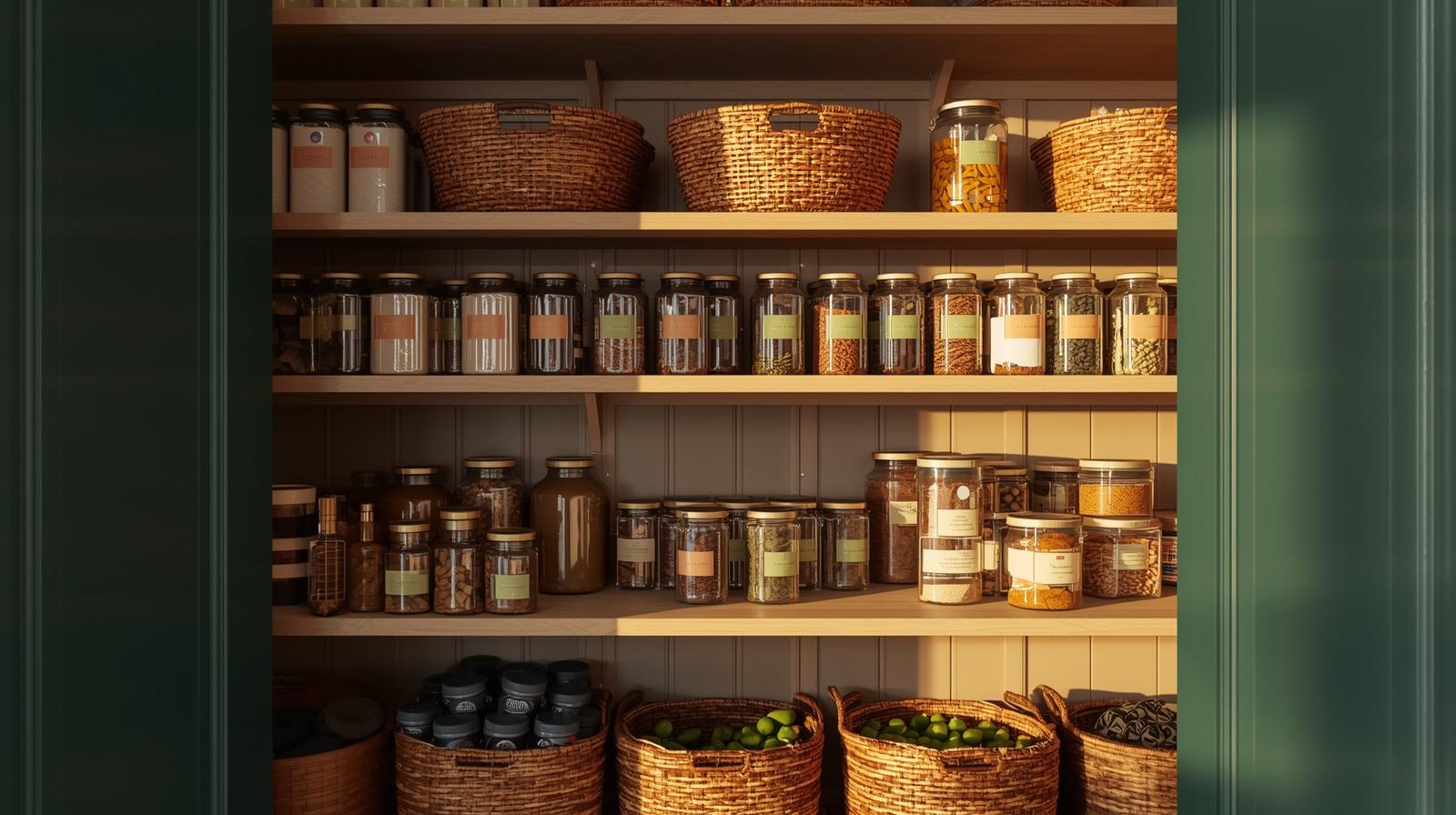
When your storage looks like part of the decor—not an afterthought—people (including you) are more likely to use it. Matching baskets, harmonious wood tones, neutral containers: these aren’t just pretty. They reduce visual noise. And when a space feels cohesive, putting things away feels natural, not forced.
A coffee table with a lower shelf invites books to be stacked neatly, not left on the surface. A console with a single deep drawer holds remotes, batteries, and tape—out of sight, but instantly accessible. Avoid “display-only” furniture. Every piece should earn its place by serving your rhythm. Form follows function, always.
Plastic bins yellow. Particleboard swells. But solid wood, bamboo, linen, and stone endure. They don’t need replacing every few years. Less consumption means less clutter long-term. My favorite linen drawer liners have faded slightly at the edges after three years—but they still smell faintly of lavender, and they still do their job. That’s the kind of order that lasts.
Tidying isn’t about perfection—it’s about creating a rhythm where your space supports your life, not the other way around. With these five habits, your home stays not just clean, but calm, composed, and quietly ready—for guests, for rest, or simply for you.