Newsletter Subscribe
Enter your email address below and subscribe to our newsletter
Enter your email address below and subscribe to our newsletter


Elevate Your Space, Everyday.
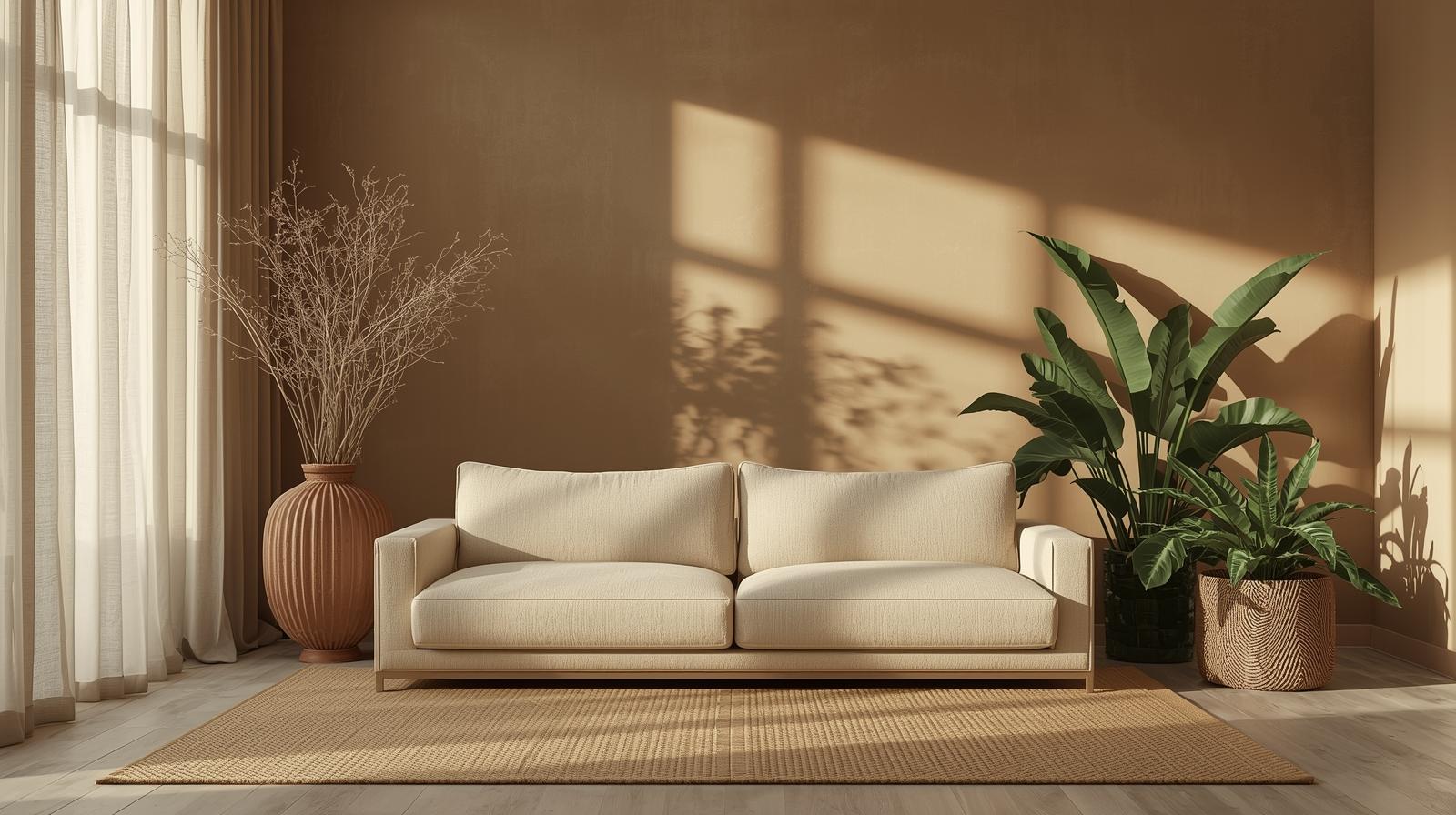
Stuck between Maximalism and Minimalism? Discover how to blend these styles to create a home that feels uniquely yours.
The paint was still wet when I stepped back and realized I’d layered three competing wallpapers over a bookshelf already brimming with vintage vases, framed postcards, and a trailing pothos that hadn’t been pruned in months. In that moment—brush in hand, light slanting through dust motes—I understood the tension between abundance and absence wasn’t a design dilemma, but a personal one.
We’ve been sold a binary. Either you live in a white box with one chair and a single plant, or your walls are papered in leopard print, your shelves groan under porcelain figurines, and every surface holds a story you can no longer recall. Real life rarely fits so neatly into hashtags. The truth is messier. (And more interesting.)
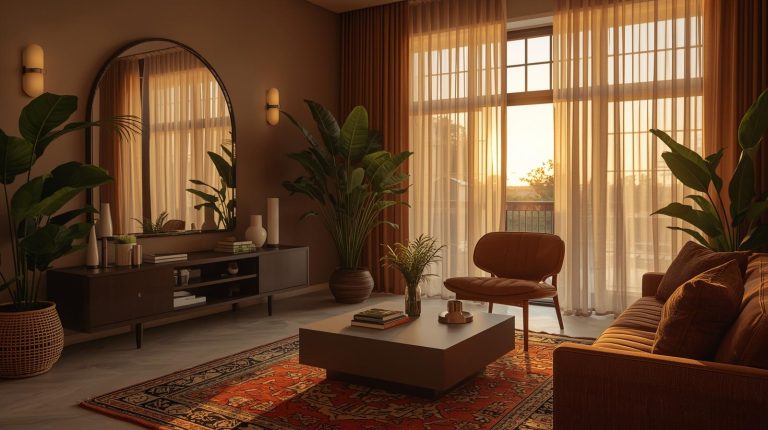
Most homes exist somewhere in the middle—a curated blend of restraint and richness. The real question isn’t whether you lean minimalist or maximalist. It’s whether your space reflects how you actually live, not how a mood board says you should.
Your home shouldn’t mimic a showroom. It should echo your rhythms. Do you need quiet to think? Then empty surfaces might be non-negotiable. Do you draw energy from color, pattern, and collected objects? Then sparse won’t serve you. Trends shift with the seasons. Your temperament doesn’t.
Before you rip out wallpaper or donate your grandmother’s china, ask what truly disturbs you: the object itself, or the guilt of keeping something you don’t understand? Clutter isn’t always physical. Sometimes it’s emotional indecision masquerading as decor. If you’re unsure where to begin, our beginner’s decluttering checklist isn’t about purging—it’s about discernment. Keep what answers back when you look at it.
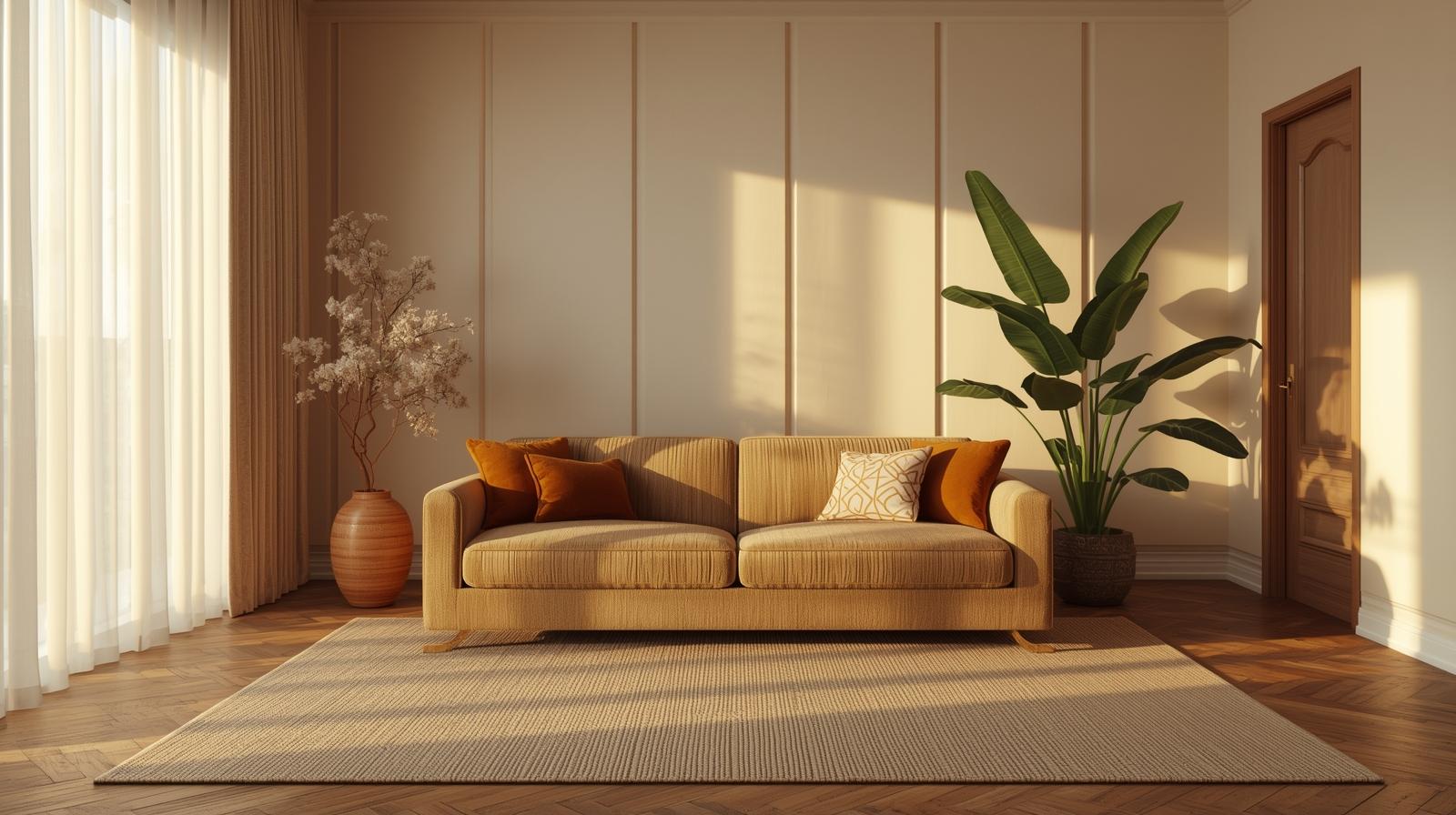
Negative space isn’t void. It’s breath. It’s the pause between notes that makes music legible. In a room, it’s the unoccupied corner where light pools at three in the afternoon, the bare stretch of wall that lets your eye rest after scanning a bookshelf. Without it, even beauty becomes noise.
I once stayed in a Kyoto ryokan where the only decoration in the sleeping room was a single scroll hanging in an alcove, lit by morning sun through rice paper. Nothing else. And yet—everything was there. That’s the power of intentional emptiness. It doesn’t deny life; it frames it.
Minimalism fails when it confuses austerity with serenity. A room stripped bare can feel clinical, not calm. Cold tile, unadorned walls, and furniture that looks more like museum pieces than places to sit—this isn’t simplicity. It’s avoidance.
Natural light is your ally here. Leave windows unobstructed. Choose surfaces that reflect rather than absorb: honed marble, pale oak, matte white plaster. These materials don’t shout. They shimmer. They let daylight do the work. A minimalist room should feel like a deep exhale—not like no one lives there.
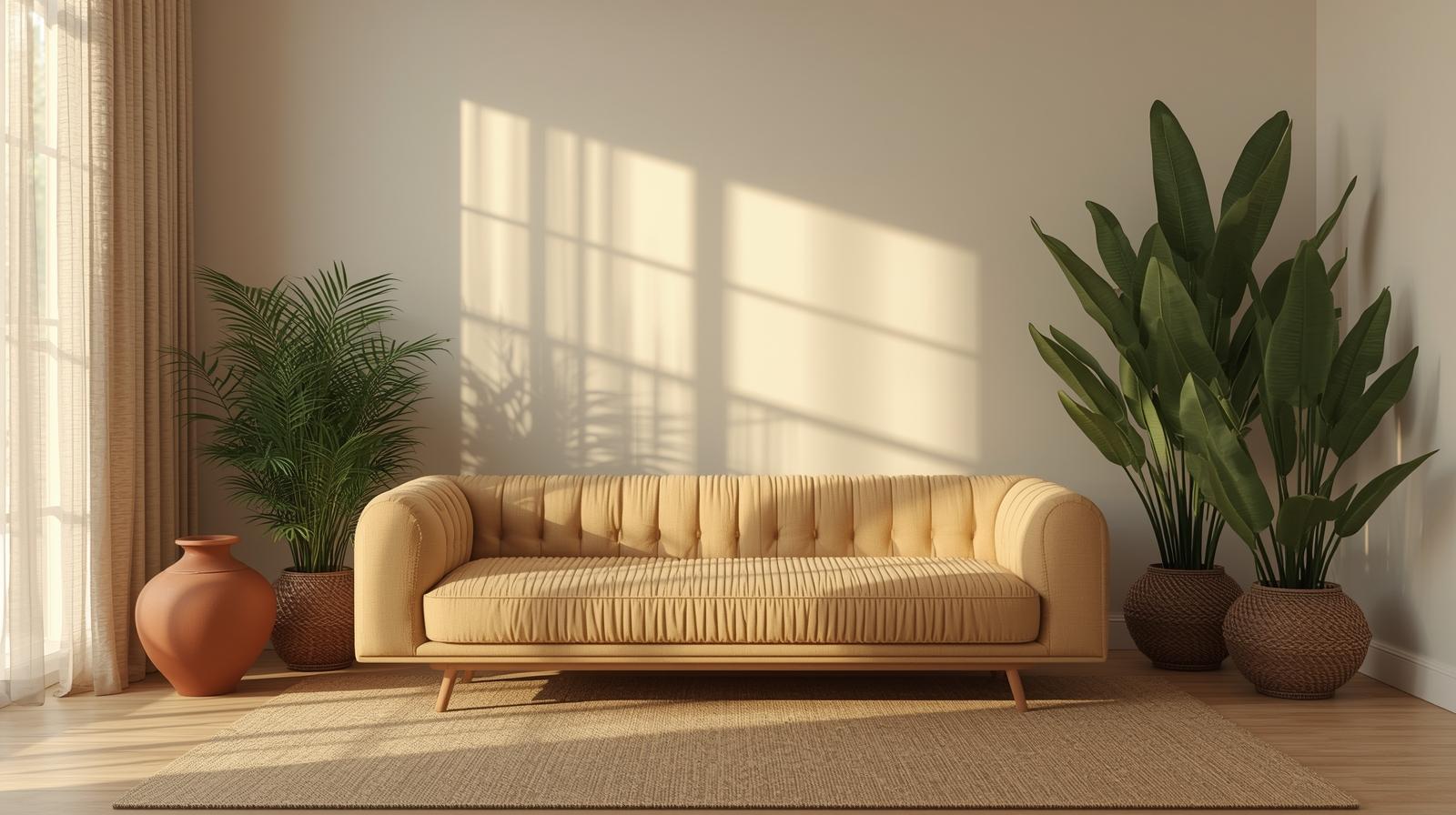
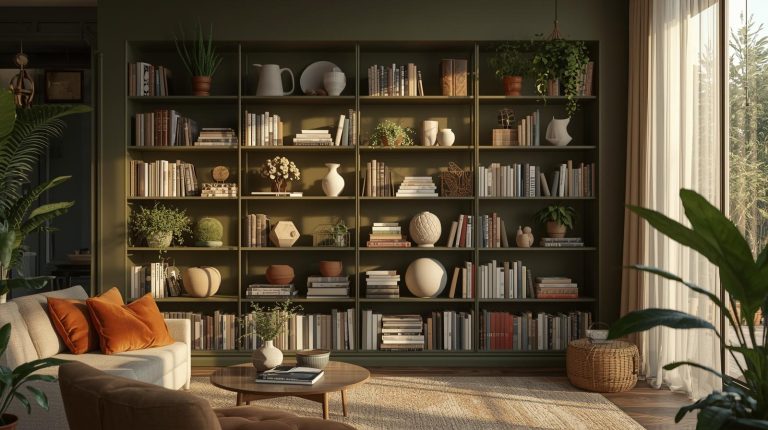
Maximalism isn’t hoarding with good lighting. It’s editing with confidence. Every added element must justify its presence—not through rarity or cost, but through resonance. That faded rug from your travels? Keep it if it still carries the scent of foreign streets. The stack of art books? Only if you still open them.
Successful layering hinges on rhythm, not randomness. Repeat a color in three places. Vary scale but unify tone. Anchor chaos with a consistent base—like oak floors or white ceilings—so the eye has somewhere to land. And for God’s sake, prune the pothos. (Overgrown greenery reads as neglect, not abundance.)
A room full of things is only rich if those things mean something. Otherwise, it’s just visual static. I’d rather see one well-loved armchair draped in a threadbare shawl than ten pristine stools arranged “for aesthetic.”
If you’re drawn to pattern but fear discord, study how textures converse. Velvet next to linen. Rough ceramic beside smooth glass. These contrasts create harmony through tactility, not just color. Our guide to mixing patterns and textures walks you through building depth without disarray—because maximalism, at its best, feels like a warm embrace, not a visual assault.
You don’t need to choose one style for your whole home. Your bedroom might crave silence—clean lines, muted tones, nothing on the nightstand but a book and a glass of water. Meanwhile, your living room thrives on conversation, color, and collections. That’s not inconsistency. It’s intelligence.
Rest requires retreat. Socializing invites abundance. Honor both.
Consider a sun-drenched reading nook tucked beside a window—just a low bench, a floor lamp, and a single shelf of poetry. Clean. Quiet. Step three feet into the adjacent hallway, and you’re surrounded by a gallery wall of family photos, travel sketches, and postcards pinned with care. The transition isn’t jarring because architecture guides it. A change in flooring, a beam, even a shift in ceiling height—these are natural pauses. Use them.
Flow matters more than uniformity. Your home isn’t a magazine spread. It’s a sequence of moments.
If the answer is “neither,” it’s clutter. Not because it’s ugly—but because it’s inert. Beauty without connection is decoration. Decoration without meaning is weight.
Notice your body. Do you sigh in relief when you enter your kitchen? Or tense up in your office? Your physiology knows your truth before your mind catches up. Track those responses like data.
A dining room used only for Sunday dinners can afford more drama—candles, patterned china, heavy curtains. But a home office where you work at dawn needs clarity: uncluttered desk, consistent lighting, zero distractions. Match the mood to the moment.
Write these questions in a notebook. Answer them slowly. Not for an audience. For yourself.
Go wild—but within a single hue. Navy walls, indigo throws, slate tiles, charcoal sketches. Layer every shade of blue you own. The result feels rich, not chaotic. Because color unity creates coherence, even in abundance.
Here’s a trick: use identical frames—thin black metal or natural wood—in a grid or salon-style hang. The uniformity of the frames imposes order; the variety within them expresses personality. It’s maximalism with guardrails.
“A gallery wall should feel collected, not crowded.”
If you’re tempted to fill every inch, stop at 70%. Leave air between images. Let the wall breathe. For layout ideas that balance expression and structure, see our gallery wall layout guide.
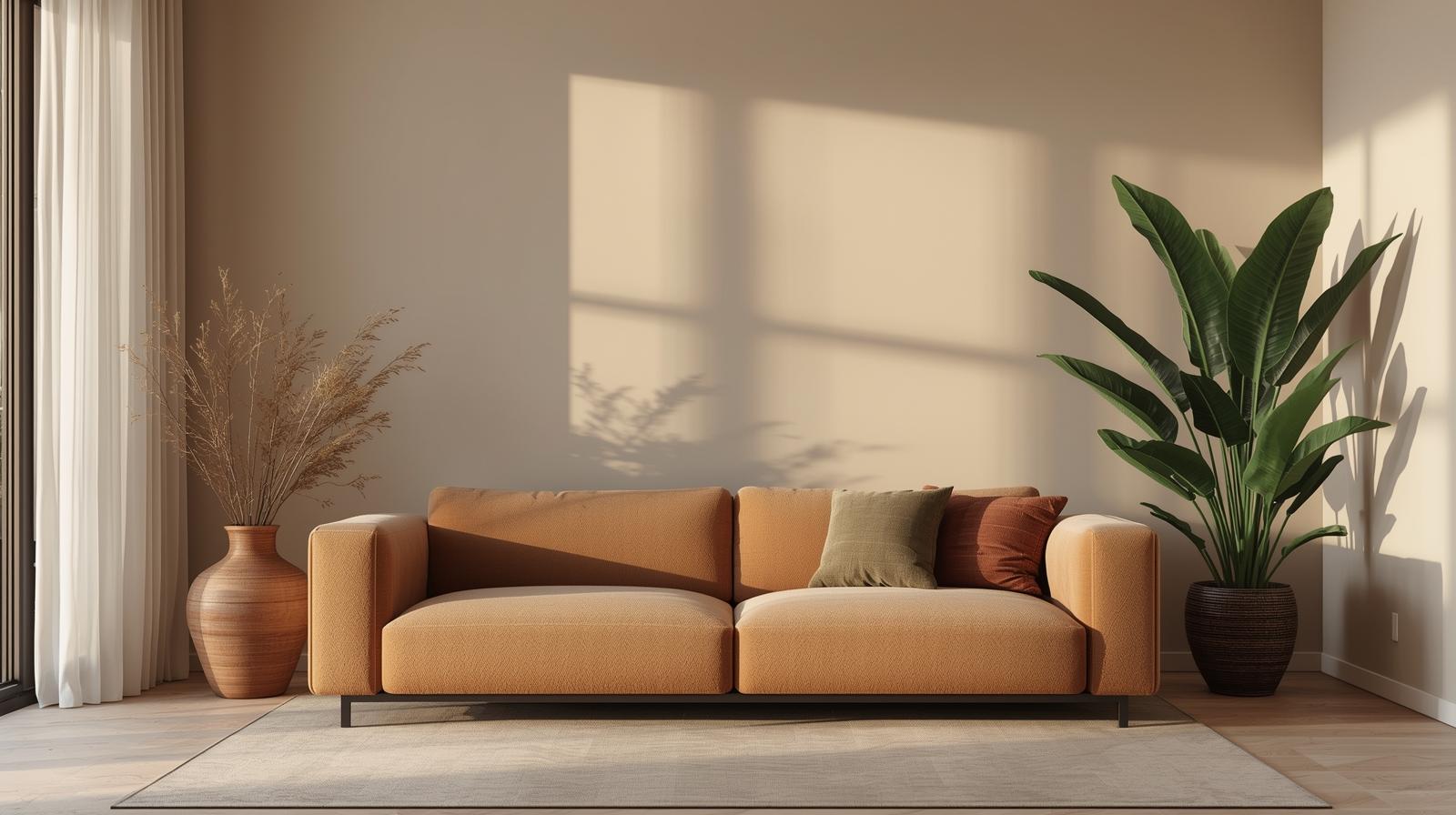
If you buy a new ceramic vase, let go of an old one. Not as punishment. As practice. This isn’t about scarcity—it’s about attention. Every new object deserves space to be seen, not just stored.
Store half your books. Swap summer linens for wool throws in autumn. Rotate artwork with the solstices. This rhythm keeps your space alive without demanding constant reinvention. Plus, rediscovering a painting after six months feels like meeting an old friend.
Balance isn’t a destination. It’s a daily negotiation—with light, with life, with what you carry and what you release. Your home should shift as you do. Not because trends demand it. Because you’ve changed.
True elevation of space doesn’t come from choosing a side, but from listening—to your habits, your light, and the quiet hum of what makes a room feel like yours. At calmhome.cloud, we believe everyday elegance lives in that listening.