Newsletter Subscribe
Enter your email address below and subscribe to our newsletter
Enter your email address below and subscribe to our newsletter


Elevate Your Space, Everyday.
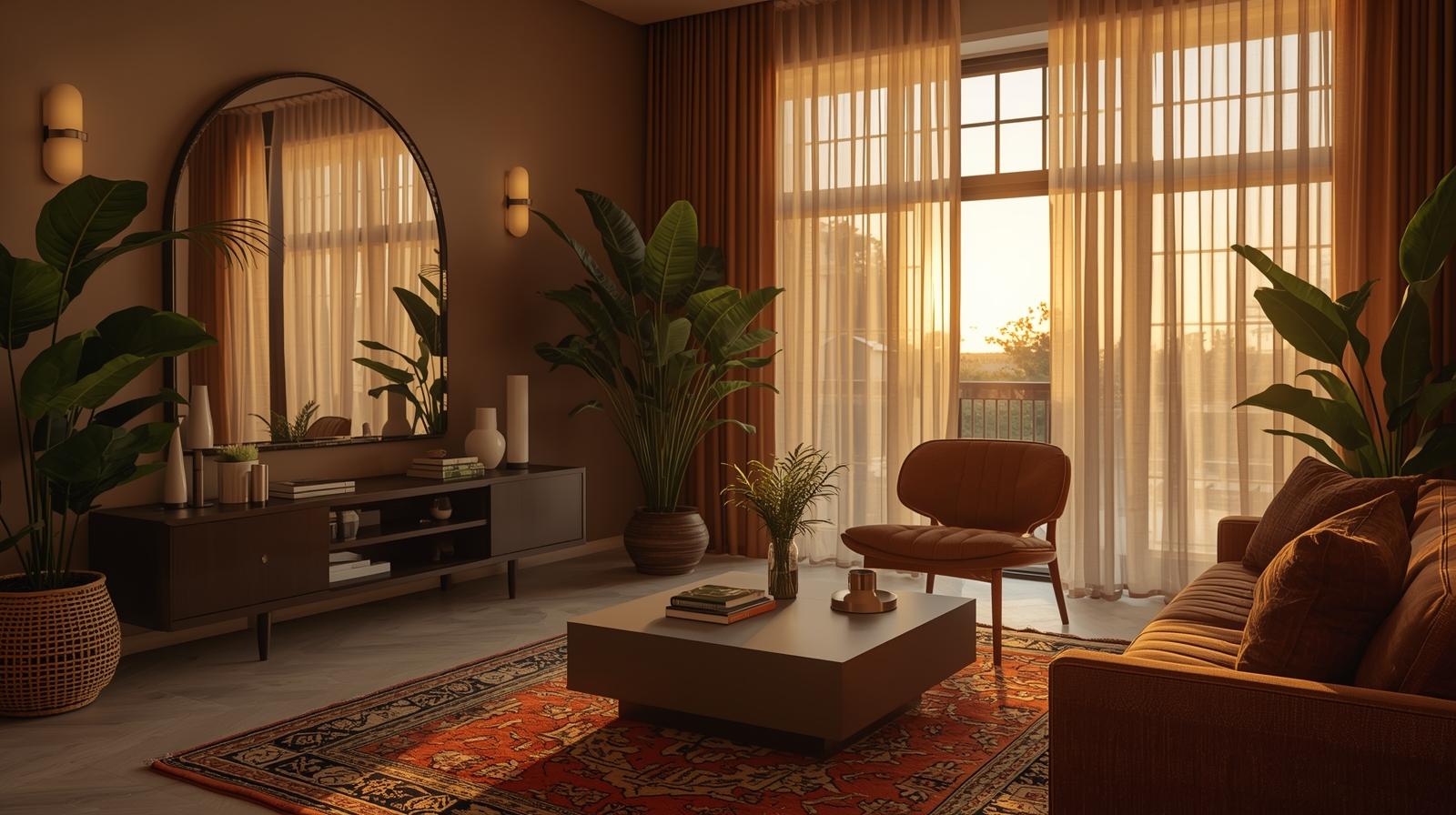
Use mirrors to expand space and bounce light. Strategic placement tips to make any small room feel larger and brighter.
Most interior “experts” treat mirrors as mere decorative afterthoughts—throwing up a cheap frameless rectangle and calling it a day. But in reality, poorly placed or ill-chosen mirrors don’t just fail to expand a room—they actively clutter perception, amplify visual noise, and betray a lack of intention. If you’re not using mirrors with architectural precision and light-awareness, you’re wasting one of design’s most potent tools.
A mirror doesn’t simply show what’s in front of it. It multiplies. And in small spaces, multiplication is dangerous. Reflect a cluttered bookshelf, a crooked lamp cord, or mismatched throw pillows, and you’ve just doubled the chaos. The eye doesn’t register “more space.” It registers overload. I’ve seen clients install a large mirror opposite their entry nook only to unintentionally broadcast a tangle of scarves, keys, and mail into the living area. The mirror didn’t open the room—it weaponized the mess.
Reflections must be curated, not captured.
Size alone won’t save you. A massive mirror crammed into a narrow hallway without breathing room feels like surveillance—not sophistication. It looms. It dominates. It turns your corridor into a funhouse corridor, especially if the edges bleed into adjacent walls without definition. Negative space isn’t optional here. It’s the frame that your eye needs to rest. Without it, even the clearest glass becomes visual static.
Forget “making a room look bigger.” Start with light. A mirror’s true power lies in its ability to pull daylight deeper into a space—especially in apartments where windows are sparse or oddly placed. Place it directly across from your largest window, angled slightly if needed, and watch how morning light now reaches the far corner of your bedroom or dining nook. (I once used this trick in a north-facing London flat; the difference by 9 a.m. was startling.) This isn’t decoration. It’s daylight engineering.
But be careful. Point a mirror at a blank, textureless wall, and you’ve created a visual black hole—a dead zone where the eye stops and nothing happens. The reflection becomes a void. Counter this by introducing subtle texture opposite the mirror: limewash paint, a single vertical wood slat, or even a narrow piece of abstract art in muted tones. The goal isn’t to fill the space, but to give the reflection something quiet to land on.
Unframed mirrors can feel seamless—especially in rentals or minimalist interiors where wall continuity is prized. But they demand perfect installation. Crooked? The whole wall feels off. Poorly cut edges? You notice them. If you go frameless, use professional-grade mounting hardware and ensure the glass is beveled or polished. Anything less reads as temporary. And temporary never feels calm.
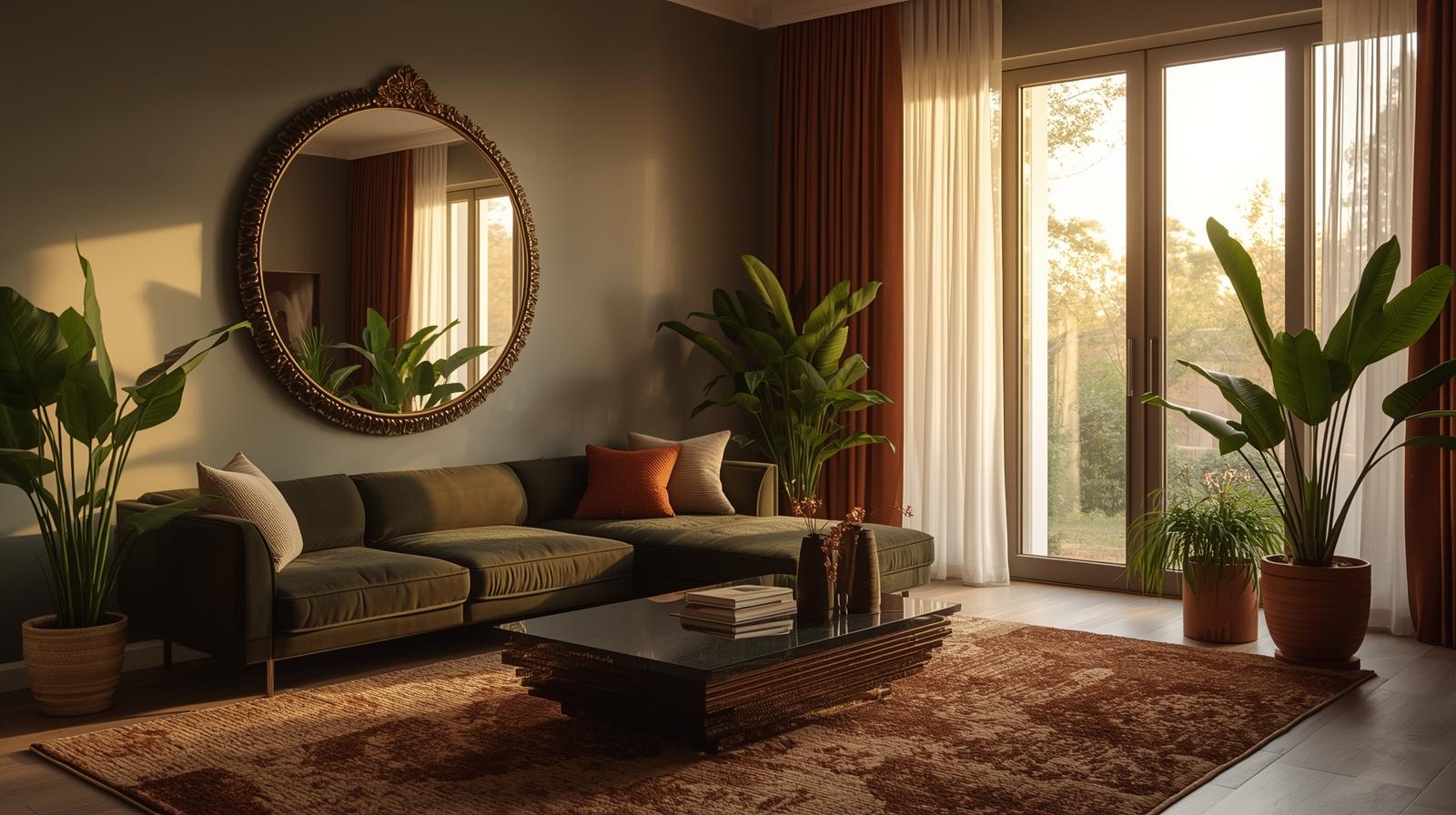
That said, a well-chosen frame can anchor a mirror like a piece of furniture. Slim profiles in matte black, warm oak, or a tone that matches your wall trim add quiet structure. Avoid anything ornate, glossy, or—especially—gold leaf in tight quarters. Those finishes pull focus and fracture light. In small spaces, your frame should whisper, not shout.
A mirror should feel like architecture, not accessory.
In windowless bathrooms or dead-end hallways, full-height mirrors perform a kind of spatial theater. They suggest passage. They imply another room beyond. Done right—with clean edges and no visible hardware—they dissolve the wall entirely. I specify these with flush-mounted tracks and hidden backing so the glass appears suspended. The effect? A hallway that breathes. A bathroom that doesn’t feel like a closet.
Mirrored closet doors are a relic. They reflect everything you’re trying to hide: wrinkled shirts, half-open drawers, laundry piles. Skip them. But a slender console with a mirrored front panel? That can work. Especially if the rest of the piece is matte, grounded, and minimal. The mirror becomes a subtle accent—not a full-stage performance. Function must lead. Always.
An entryway mirror should do three things: offer a final glance, amplify light, and suggest depth. Lean a slim, floor-length mirror against the wall beside discreet hooks (not a crowded coat rack). Keep the surface below it clear—maybe a single woven basket for shoes, nothing more. This creates vertical rhythm without visual drag. For storage cohesion, see our guide on entryway organization.
Never place a mirror opposite your TV. Or your bookshelf. Or your gallery wall. You’ll only double the visual weight. Instead, position it to catch the window. Even better: angle it slightly toward your main seating area so reflected daylight washes over faces during conversation. Soft, even illumination replaces the need for harsh overheads. For layout ideas that support this approach, explore our small living room ideas.
Mirrors don’t just reflect objects—they reflect color temperature. Place one near a warm 2700K bulb, and the entire reflection takes on a yellowish haze that can make whites look dingy and walls feel closed-in. In tight spaces, this dulls rather than brightens. Stick to 3000K–4000K bulbs near mirrors for a clean, neutral bounce. (Our lighting temperature guide breaks down bulb choices by room type.)
Natural north light is cool, even, and shadow-free—the gold standard for interiors. If your space lacks it, simulate it. Position a mirror to catch indirect daylight from a hallway window or adjacent room, then bounce it into your darkest corner. The result isn’t just brighter—it’s calmer. Less contrast. Less glare. More air.
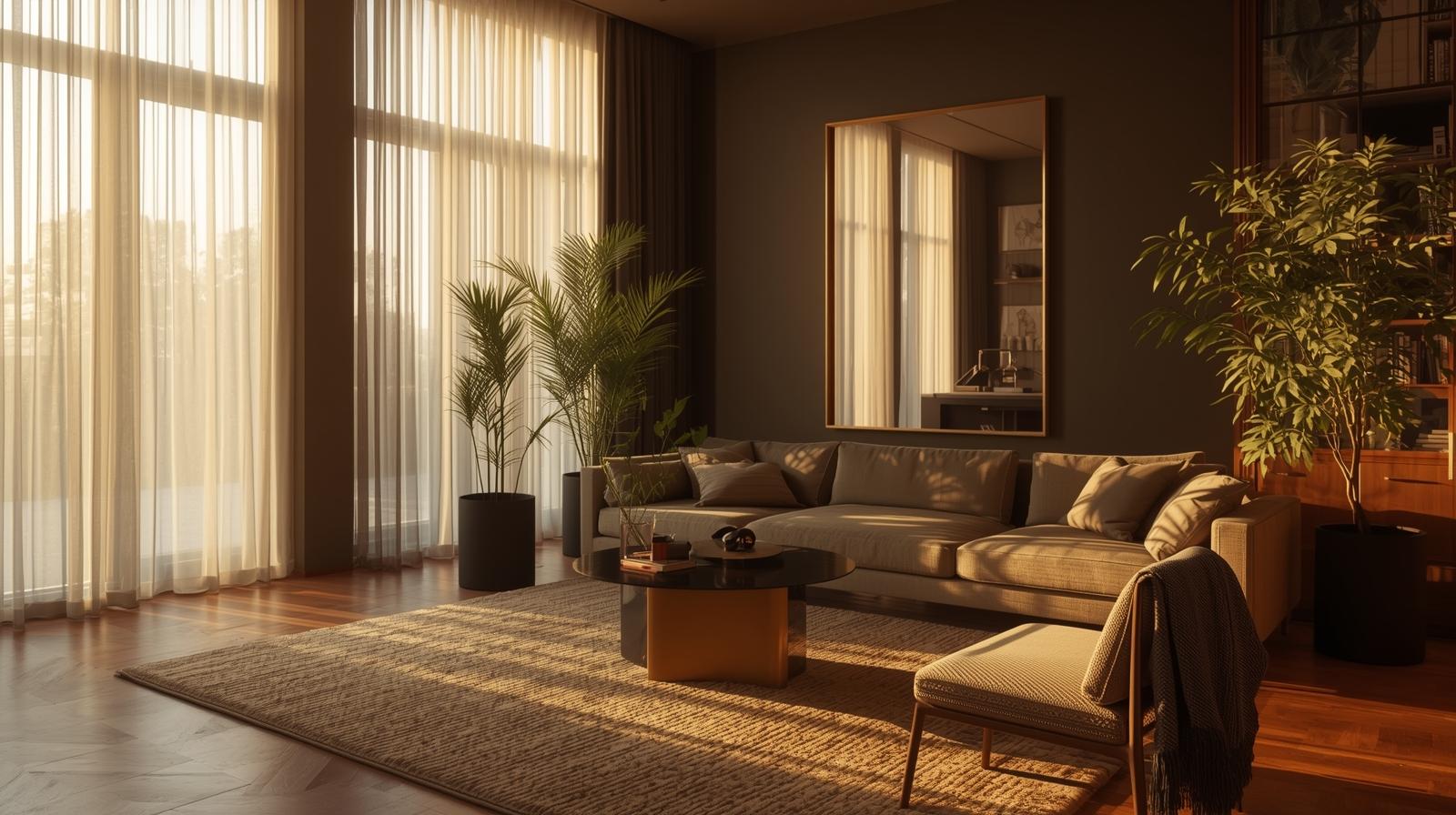
Leave at least 18 inches of clear wall space around your mirror. No art, no sconces, no floating shelves crowding in. This allows the mirror to “float”—to exist as its own plane rather than competing with neighbors. In small rooms, this discipline creates pockets of visual rest. And rest is what makes space feel generous, not square footage.
There’s one exception: a single, shallow shelf mounted directly below. On it, place one object only—a smooth stone, a tiny ceramic vase, a folded linen cloth. Never more than three elements. And never anything busy. This isn’t decoration. It’s punctuation.
The best mirror in a small space is the one you forget is there. You walk past it daily without noticing. Then, one afternoon, sunlight hits just right—and suddenly the room is filled with doubled sky, elongated shadows, and a sense of openness that feels earned, not forced. That’s the moment. Not the frame. Not the size. But the quiet collaboration between glass, light, and restraint. Use mirrors like that, and they stop being objects. They become atmosphere.